

What is 3.0V Li-MnO2 Battery
Lithium manganese dioxide (Li-MnO2) batteries have the characteristics of high voltage, high specific energy, low internal resistance, and stable discharge curve. The shapes are cylindrical and coin-shaped. It is also a lightweight, highly reliable battery that operates at 3V and can operate over a wide temperature range. It is the first choice for battery backup.


Advantages of 3.0V Li-MnO2 Battery
Low internal resistance 3.0V Li-MnO2 batteries have a low internal resistance, which means they can deliver high power output without overheating or degrading over time.
Lightweight 3.0V Li-MnO2 batteries are lighter and more compact than other primary batteries, making them ideal for portable devices and small electronics.
High energy density 3.0V Li-MnO2 batteries have high energy density, which means they can store large amounts of energy in a small size. This enables it to provide high power output for a longer period of time.
Long shelf life 3.0V Li-MnO2 batteries have a good shelf life and can retain a large amount of stored energy for many years even when not in use. Ideal for applications where battery usage is infrequent.
Low self discharge rate These batteries have low self-discharge rate, good storage performance, good high-rate discharge performance, and good fast pulse discharge performance. This means they can maintain power for a longer period of time even when not in use.
Stable voltage 3.0V Li-MnO2 batteries have a stable voltage output throughout their discharge cycle, making them well-suited for use in applications that require a consistent power output.
Why Choose Us
We work hard to ensure our products meet the highest quality and performance standards. We follow industry trends, encourage customers to provide feedback, and replace defective products unconditionally.
Our terms of work have always been fixed within the work process and one can be assured about the guarantee of the work as we are there 24/7 business hours during the time your project is being worked is on.
Our professional team collaborate and communicate effectively with one another, and are committed to delivering high-quality results.
The entire process from the initial inquiry until you receive the goods. We're committed to supporting you every step of the way.
Application of 3.0V Li-MnO2 Battery

Smart Cards
The battery is commonly used in smart cards systems due to its high energy density and compact design. These applications include credit cards, access cards, and inventory tracking systems.
Portable Electronics
This battery is commonly used in portable electronics such as digital cameras, handheld gaming devices, and MP3 players. Its high energy density, low self-discharge rate and long shelf life make it a popular choice for these applications.

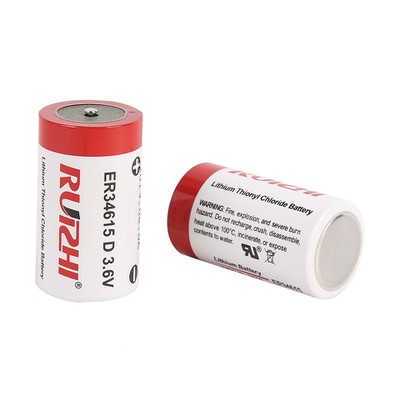
Aerospace
This battery is known for its high reliability and ability to withstand extreme temperatures and shocks. It is widely used in drones, intelligent aircraft and other fields, with excellent energy density and long life.
Medical equipment
Batteries provide stable, large-capacity power supply for medical equipment such as insulin pumps, pacemakers, and blood glucose meters. Its lightweight and compact design makes it ideal for portable medical equipment.
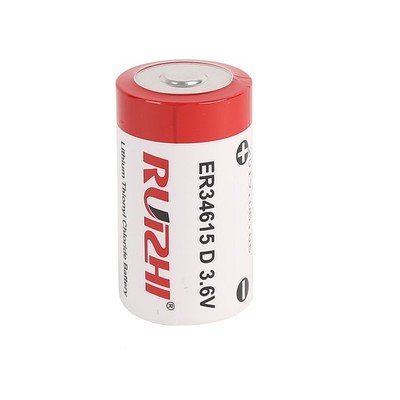
Types of 3.0V Li-MnO2 Battery
Primary Lithium Manganese Dioxide Battery
This type of battery is a non-rechargeable battery and is ideal for long-term storage and applications that require high energy density.
Coin Shaped Lithium Manganese Dioxide Battery
This type of battery is a button cell battery commonly used in small devices that require low power consumption such as calculators, watches, and remote controls.
Cylindrical Lithium Manganese Dioxide Battery
This type of battery is used in high-drain applications such as digital cameras, flashlights, and medical devices.
Lithium Manganese Dioxide Polymer Battery
This type of battery is a more modern variation of the Li-MnO2 battery and is used in high-tech devices such as smartphones, tablets, and laptops.
Material of 3.0V Li-MnO2 Battery
The positive electrode material in a 3.0V Li-MnO2 battery is usually made of manganese dioxide (MnO2), while the negative electrode is made of lithium metal. The electrolyte is usually a non-aqueous solution containing a lithium salt and an organic solvent. The battery's casing is made of metal or plastic, depending on the battery's intended use and design.
Process of 3.0V Li-MnO2 Battery
Preparation of positive and negative electrode materials The cathode material manganese trioxide is mechanically crushed and mixed to form a lithium manganate cathode material, which is composed of carbon powder, polyethylene and other materials. The negative electrode material lithium metal or lithium alloy is refined and processed into the negative electrode material.
Battery case preparation It is mainly made of steel plates, aluminum plates and other metal materials, and is punched into a cylindrical or square shell with a uniform cross section.
Forming Mix the positive and negative electrode materials, separator materials, and electrolyte in proportion and put them into the battery casing. At the same time, there is an electrolyte injection port on the top to form a non-sealed battery body.
Sealing Seal the electrolyte injection port on the top of the battery body to prevent electrolyte leakage. Solder the positive and negative terminals at the bottom of the battery for wiring.
Testing Conduct visual inspection, voltage, capacitance, internal resistance and other performance tests on the produced batteries to confirm whether the battery quality meets the standard requirements.
Packaging Use special battery packaging materials to package the battery, and label the battery model, specifications, parameters and other information.
Components of 3.0V Li-MnO2 Battery
Positive electrode
The material used is manganese dioxide, which has high specific capacity and good conductivity, and can be improved to provide higher discharge voltage.
Negative electrode
The negative electrode material is lithium metal or lithium alloy, which has a low potential and is conducive to the insertion and deintercalation of lithium ions.


Electrolyte
The electrolyte is usually a mixture of organic solvents and lithium salts that provide channels for ion transport and maintain stable battery operation.
Septum
The separator serves to isolate the positive and negative electrodes, preventing short circuits and mutual interference with internal reactions in the battery.
How to maintain 3.0V Li-MnO2 Battery
Inspect the battery regularly for any signs of physical damage, such as dents or cracks. Do not use a damaged battery, as it may be dangerous and not perform as expected.
Regular use of the battery can help maintain its overall health and performance. If the battery is not used for an extended period of time, it may lose its charge and degrade faster.
3.0V Li-MnO2 batteries should be stored in a cool and dry place, away from direct sunlight and heat sources. When not in use, the battery should be stored with a partial charge, preferably between 40% and 60% capacity.
Batteries can be damaged by being dropped, punctured, or exposed to extreme temperatures. Be sure to handle the battery carefully to avoid exposing it to harsh environments.
Certifications




FAQ
As one of the most professional 3.0v li-mno2 battery manufacturers and suppliers in China, we're featured by quality products and good service. Please rest assured to wholesale customized 3.0v li-mno2 battery at low price from our factory. Contact us for free sample.
backup power for circuit board battery, 3B0075 Battery, Lithium Battery ER18505M