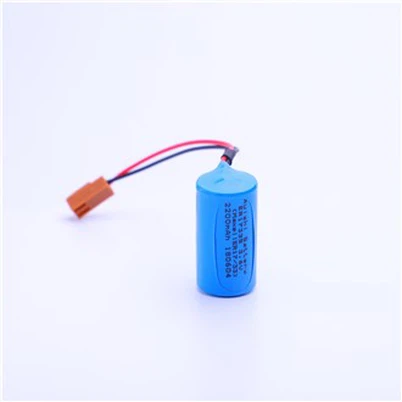
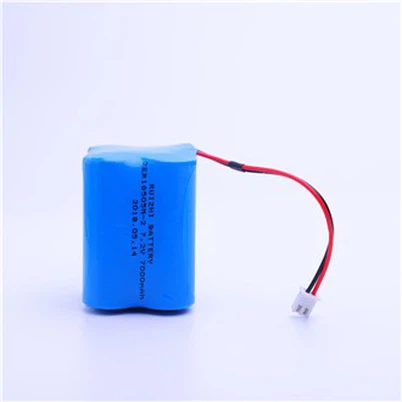
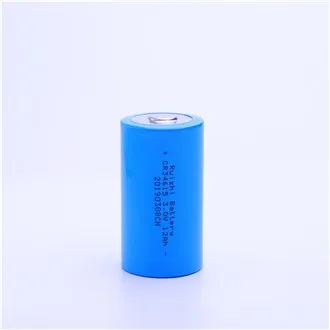
Definition of Li-MnO2 Battery
Leave a message
The full name of lithium manganese battery is lithium and manganese dioxide battery.
Working principle: Lithium and manganese dioxide batteries use manganese dioxide treated with special technology as the positive active material, metal lithium with high potential and high specific energy as the negative active material, and the electrolyte uses an organic electrolyte solution with good electrical conductivity. The structure has two forms of full sealing and semi-sealing. Of course, the safety and shelf life of fully sealed is better than that of semi-sealed. In 1817, when the Swedish scientist Afwe Cong analyzed lithium-permeable feldspar ore, he found that because of its most negative potential, a battery composed of a suitable cathode material has superior electrical properties. Lithium and manganese dioxide batteries are the lowest price and safest battery types in the lithium series primary batteries. The open circuit voltage is around 3:3 volts, the load voltage is 2:8 volts, the nominal voltage is 3 volts, and the cut-off voltage is 2 volts. The discharge voltage is relatively stable and suitable for high-power discharge.